Out of the closet as tinnitus patient
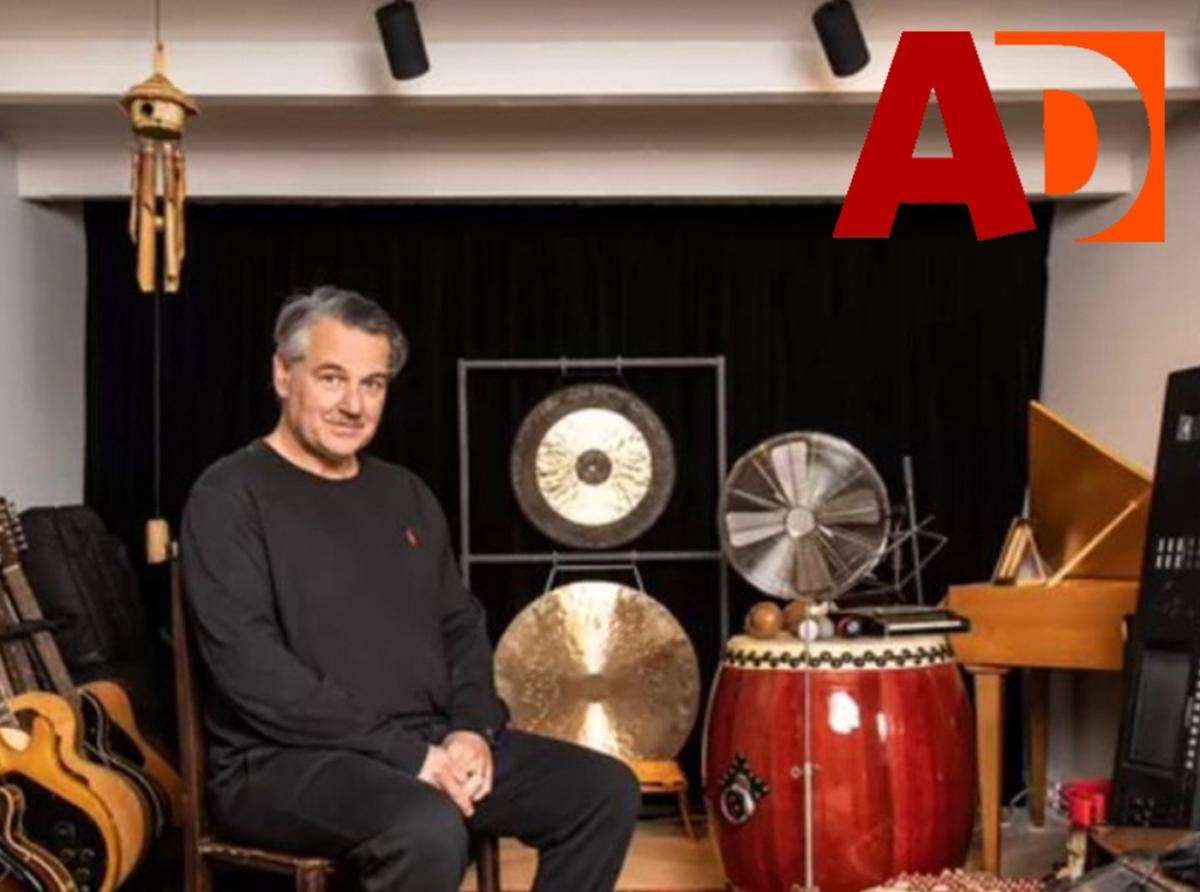
Composer Stephen Emmer, creator of hundreds of famous television theme tunes, is coming out as a tinnitus patient after years of silence, he has a ringing in his ears and severe hearing damage.
The 64-year-old musician wants to launch an app listing noisy restaurants. And he wants to start an action group together with artists from all over the world. Emmer is addressing Dutch artists and musicians directly. “Join my action group and help stop this epidemic.”
Sign the Artists Against Tinnitus petition here
Exceptional
The ‘coming-out’ of Stephen Emmer, winner of numerous music awards, is exceptional in the (Dutch) entertainment industry. Tinnitus, better known as ringing in the ears, is an invisible condition for which there is still no cure. Patients have to learn to live with it themselves. Talking about it is difficult, because for some it actually exacerbates the symptoms. Artists, in turn, are afraid of losing gigs because there is a great deal of ignorance and misunderstanding regarding the condition.
Stephen Emmer, Knight in the Order of Orange-Nassau, is deeply concerned about our hearing. We speak to him in his townhouse in Amsterdam, right behind the Concertgebouw. "I hardly ever go there anymore," says Emmer ‘with a heavy heart’. "I am half deaf and can't do that anymore." A guitar stands in the corner of the room. The windows are double-glazed. "There is such an enormous noise coming from outside. I can't handle that anymore." The son of news anchor Fred Emmer, who passed away in 2019, finds solace in his music. "I still compose, and apparently still so well that I win international awards, but I hardly ever go to other people's performances anymore."
You have had this condition for over ten years. Why did you remain silent for so long?
“I consider this conversation my coming-out. I no longer want to feel ashamed, which I did for a long time. The taboo surrounding hearing damage must be broken. The shame people feel must disappear. What we see now is that musicians barely dare to come out about it. I know through word of mouth that about one-third of the Royal Concertgebouw Orchestra has tinnitus. All those people don't dare tell their conductor because they are afraid of losing their job. That has to change.”
Is it difficult to come out now?
“In our industry, the prevailing view is: that man has a ringing in his ear, so he probably isn't that good at his craft anymore. So I am taking a risk, but I think it is worth it. This is the perfect moment to come out about it. Because it is all hands on deck. Hearing damage will become one of the next epidemics to strike worldwide.”
You even call tinnitus a silent killer. What do you mean by that?
“In my case, it took tinnitus 20 years to develop into the serious disease it is today. And yes, it is a disease! Compare it to diabetes or cancer. I deliberately emphasise it, because it can lie dormant just like those other diseases. Once it starts to manifest, there is no turning back. Tinnitus is no longer a problem for just the artist, but for all of us. That shift currently underway is really something of the last few years.”
What happened to you when you found out: this is bad news.
“I became desperate. I wanted it to go away and seized every treatment I could find. I remember seeing a book lying at an institute with the title ‘Never Again Silence’. I was depressed all day when I saw that. Never Again Silence. Yes, indeed.”
Emmer falls silent for a moment: “It still makes me sad, but I can live with it. I didn’t manage to become friends with that tinnitus. I now see it as a cohabitant in my head that I have to tolerate.”
What do you miss most about the silence?
“Deeper rest! I have trouble falling asleep, and as a result, I am often tired and restless. During the day, I am—unconsciously—taking in all sorts of things. That is exhausting. You are completely on your own and will have to find your own way. I did that by talking to doctors and therapists. That was nice, but that kind of care is still in its infancy. Then I ended up with alternative practitioners, such as acupuncturists. Before I knew it, I was lying somewhere in the Flevopolder in a room full of scented candles. A friend of mine had warned me about that. And there I lay...”
Does this sound like a desperate search for a remedy?
“It was a kind act by a desperate person. You want to do everything you can to stop it. When I had only had tinnitus for a month, I said to my partner at the time: I hope I don't have to go into Christmas like this. I can't imagine that I'll manage. I was really sitting in a corner crying, out of pure despair. I remember being in a therapy group with people like me. There was a man who said at every meeting that he couldn't take it anymore. Later I heard that he had taken his own life. I told my children about it and they started crying. ‘Dad, are you going to do that now too?’ they said.”
Did you consider that as well?
“Thank God not. But it was certainly lonely for me. Tinnitus is invisible; it is inaudible to others. You have to find your own way: how can I deal with this? That is not a pleasant feeling, that you cannot share it with anyone who truly understands. There is a lot of misunderstanding among those around you.” You can talk about suicidal thoughts anonymously: chat via 113.nl, call 113, or call 0800-0113 for free.
You now want to become a sort of ambassador when it comes to the prevention of hearing damage. How do you envision that?
“I want to launch an app that lists noisy restaurants, and I want to start an action group together with artists from all over the world. It will be called ‘Artists against Tinnitus.’ We are starting in the Netherlands, and through my international contacts, we hope to go global. Think of it as a kind of Life Aid, where we make music selflessly. I really have the ambition to get this on the social agenda. I can no longer say: I am an expert by experience and now I’m going to go watch TV.”
Artists with tinnitus don’t like talking about it. How do you get them willing? “I am living proof that it is possible! I hope this interview will win over the doubters. I call upon all artists to come forward and join the fight together. That will certainly cause friction, but I believe in a snowball effect. It is just like with diabetes: in 2022, we know how many sugar cubes are in a French fry. That insight must also come regarding hearing damage. If that happens, this generation will take this problem just as seriously as the climate.”
The Health Council’s advice on the prevention of hearing damage will be released at the end of this month. What are you hoping for?
Thinking for a very long time. “Everyone needs to do their bit. It would be a shame if it narrowed down to a battle between the government and event organizers. They are not to blame. The focus is currently very much on live concerts, but that is unjustified. There is another major source, and that is those damn ear pods. What is happening there—that direct sound transmission to our auditory center without a filter—is truly very worrying. And that is my whole point: we need to do more in terms of education before it is too late.”
[AD - Editorial]
Sign the Artists Against Tinnitus petition here